“Singing and dancing transform life into a celebration. They are the soul’s universal language.”
Singing and dancing have been integral parts of human existence since time immemorial. These timeless activities connect us to our innermost self, dissolve barriers, and fill life with joy. As a motivational speaker and spiritual teacher, I have observed how singing and dancing have the potential to uplift individuals, rekindle their spirits, and lead them to spiritual and personal growth.
Singing: A Pathway to Happiness
Singing is not just an art; it is a natural human expression. From ancient times, humans have used songs to celebrate, communicate, and heal. Archeological evidence of prehistoric cave paintings often depicts humans dancing or singing, showing how deeply embedded these activities are in our DNA.
Growing up in a small village in India, I witnessed first-hand the beauty of singing in everyday life. In our community, life began and ended with songs. Villagers sang while working in the fields, cooking, or cleaning. These songs were not mere entertainment; they carried life lessons, wisdom, and moral values.
This tradition taught me that singing can bring joy even amidst life’s challenges. It connects us to the higher frequencies of existence, transforming our worries into inspiration. As Matshona Dhliwayo aptly said, “If God wanted the woods to be quiet, He wouldn’t have given birds songs to sing.”
The Neglect of Singing in Modern Life
In today’s fast-paced world, singing has taken a backseat. Overwhelmed by stress, financial struggles, and societal expectations, we rarely find time to sing or dance. The modern mind is often filled with negative chatter about work pressures, school problems, and strained relationships.
This endless cycle of worry burdens our soul. But singing can act as a shield against life’s storms. It redirects our attention away from problems and fills our consciousness with joy. Even scientific studies confirm that singing reduces stress and releases endorphins, which naturally uplift our mood.
When life feels heavy, try singing. As a spiritual teacher who conducts seminars worldwide, I encourage attendees to use their voice as an instrument for healing. A simple melody can break the chains of negativity and invite positivity into your life.
The Divine Nature of Singing
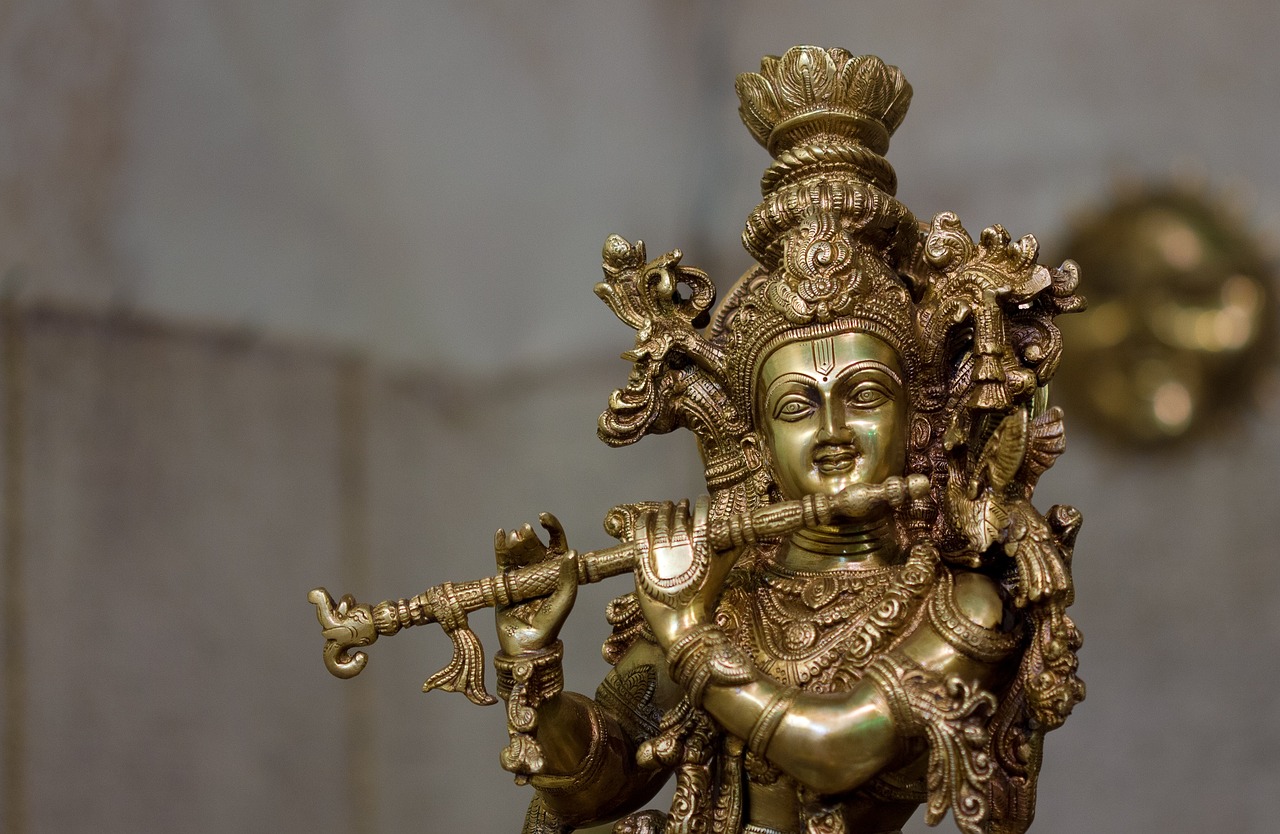
Singing is not merely an earthly activity—it is a divine expression. In ancient cultures like Greece, Egypt, and India, music was considered sacred. Deities were often depicted with musical instruments, symbolizing their connection to the celestial realms.
In India, mantras or spiritual songs are integral to spiritual practices. The Sanskrit word mantra means “that which controls the mind.” By singing mantras, we elevate our consciousness and connect with the divine. These songs transcend religious boundaries, as seen in hymns like “Amazing Grace,” the Buddhist chant “Om Mani Padme Hum,” or the Vaishnava mantra “Hare Krishna Hare Krishna Krishna Krishna Hare Hare.”
These songs serve as bridges to our soul, transforming mundane life into a sacred experience. Clarissa Pinkola Estés, a poet and psychoanalyst, beautifully remarked, “Talking is the voice of a human, singing is the voice of the soul.”
Music and Emotion: A Powerful Connection
Every song carries an emotion, whether it’s love, hope, anger, or joy. The feelings of a songwriter are embedded in the lyrics and melody, and these emotions resonate with those who listen.
As a motivational speaker and author, I often ask my seminar participants: What emotions do you wish to cultivate in your life? If you desire happiness, sing songs that evoke joy. If you need courage, find melodies that inspire strength. Music is a tool; the choice of song determines the emotion you invite into your life.
Making the Right Musical Choices
In an age dominated by media, we are bombarded with music that may not align with our inner needs. Much of today’s music, especially in ignorance or passion, can disturb our mind and emotions. Songs filled with anger or sensuality may momentarily entertain but often leave us feeling hollow.
As spiritual seekers, we must consciously choose music that uplifts us. Classical music, instrumental pieces, or spiritual chants elevate our mood and nurture the soul. I often remind my seminar attendees: “Don’t die with your music asleep within you. Play it, sing it, and let it transform your life.”
Dance: The Soul’s Expression
If singing is the voice of the soul, dancing is its movement. Dance transcends the physical and connects us to the spiritual. It is said that in the spiritual world, “every step is a dance, and every word is a song.”
In my seminars, I encourage participants to pair their singing with dance. Dancing allows the body to express what words cannot. You don’t need formal training; simply let the rhythm guide your movements. Friedrich Nietzsche’s words, “We should consider every day lost on which we have not danced at least once,” resonate deeply with this practice.
The Timeless Lessons of Singing and Dancing
Stories from history and modern times illustrate the transformative power of music and dance. Take, for example, the tale of Tukaram, a saint in India whose singing connected people to the divine. Even amidst personal challenges, his songs inspired countless souls.
Or consider the prisoner during World War II who sang and played the guitar in a concentration camp. Despite losing his instrument and even his voice, he continued to inspire others by dancing. His resilience showed that no external force can suppress the soul’s power to sing and dance.
Overcoming Challenges Through Music and Dance
I often share my personal journey during seminars. As a teenager, I was drawn to heavy metal music, which led to rebellious behaviour. It wasn’t until I discovered spiritual music that I realized the profound impact of my musical choices. Shifting from destructive songs to uplifting mantras transformed my outlook on life.
Music and dance also play a significant role in physical health. Studies show that listening to music during workouts improves endurance and makes exercise enjoyable. When I began incorporating music into my gym routine, I found myself effortlessly pedaling for an hour, an activity that once felt torturous.
Practical Steps to Embrace Singing and Dancing
Singing and dancing are accessible to everyone. Here are practical steps to integrate them into your life:
Create Your Playlist: Choose songs that inspire you and align with your emotions.
Sing Daily: Sing while cooking, driving, or relaxing. Your voice is your instrument—use it.
Dance Freely: Start in your living room. Let the music guide your movements.
Explore Spiritual Music: Experiment with mantras or hymns from various traditions.
Join Communities: Attend kirtan yoga sessions or local singing groups to connect with like-minded individuals.
Carry Essentials: Keep a songbook, an instrument, and water with you, as my guru advised.
The Power of Kirtan Yoga
Kirtan yoga, the practice of singing and dancing as a form of meditation, is a cornerstone of my teachings. It combines music, rhythm, and devotion, creating an atmosphere of spiritual ecstasy.
Many people ask me how I maintain such energy and enthusiasm during seminars. My answer is simple: I sing and dance regularly. Singing and dancing are the best “drugs” for the soul. They cleanse the mind of negativity, fill the heart with joy, and connect us to a higher power.
Conclusion
Singing and dancing are not just activities—they are life-transforming practices. They connect us to our soul, elevate our consciousness, and bring us closer to the divine. As you embark on this journey, remember: you don’t need professional skills or perfect conditions. All you need is a willingness to sing and dance, to let go of inhibitions, and to embrace the joy within.
Start today. Let your life be a celebration of songs and movements. Every step can be a dance, and every word a song. As a motivational speaker, spiritual teacher, and author, I invite you to take this step and transform your life.
“Those who wish to sing always find a song.” Let that song be yours.cus.